Corns and Calluses
Corns and calluses are painful skin thickenings caused by prolonged pressure or friction. Your podiatrist offers professional treatment to help you regain comfortable, pain-free feet.
Book an appointment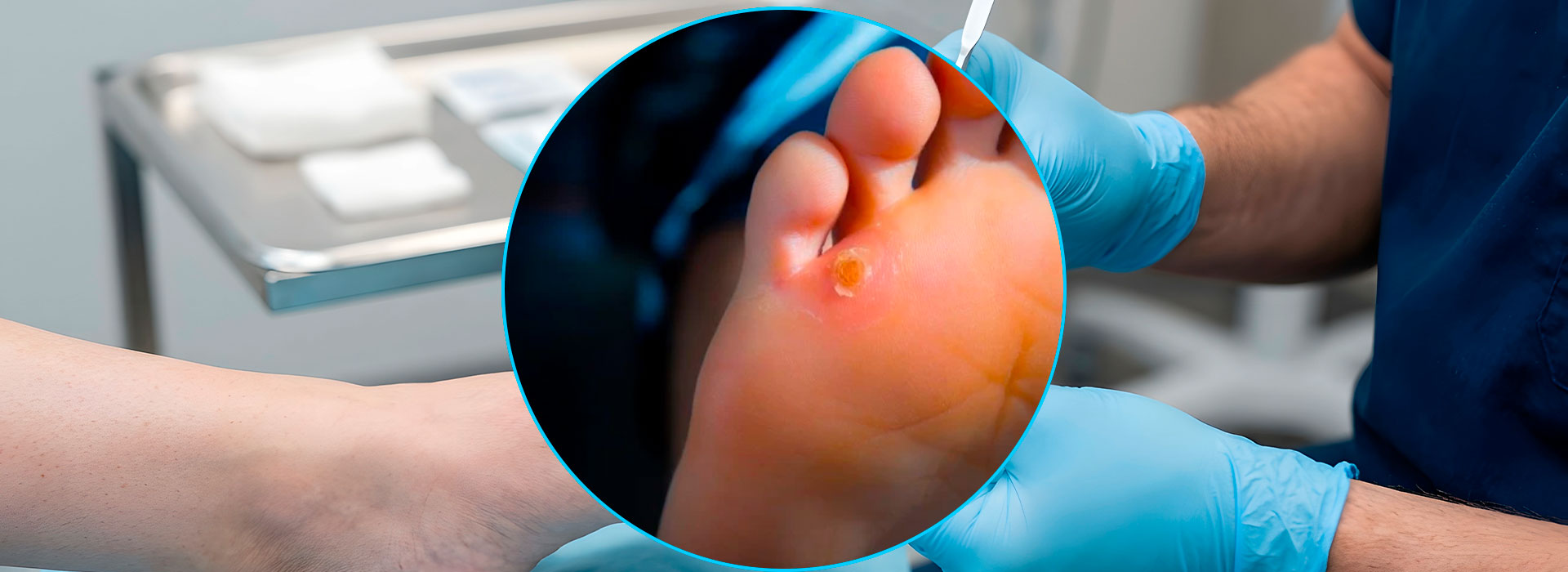
Corns and Calluses: What is the Difference?
Although often confused, corns and calluses are two distinct conditions that both result from the skin's defensive reaction to repeated pressure or friction.
- A corn (heloma) is a localized thickening with a hard, deep central core that presses into the subcutaneous tissue, causing sharp, precise pain under pressure. There are two types: hard corns, located on the top or sides of the toes, and soft corns, located between the toes.
- A callus is a diffuse, widespread, and uniform skin thickening, generally located on the sole of the foot or under the metatarsal heads. It is less painful than a corn but can cause significant discomfort when walking.
Causes and Risk Factors
- Wearing shoes that are too tight, too narrow, or have high heels
- Foot deformities: hallux valgus, hammer toes, or claw toes
- Abnormal plantar pressure distribution or gait
- Sports activities or prolonged standing
- High-arched or flat feet increasing pressure zones
- Walking barefoot on hard surfaces
- Absence of socks or poorly fitted socks
Symptoms
- Thickened, hard, yellowish or greyish skin
- Sharp, localized pain (corn) or diffuse discomfort (callus) when walking
- Sensation of walking on a pebble or bump
- Rough, dry, and sometimes cracked skin
- Redness, inflammation, or tenderness around the affected area
- Risk of ulceration in diabetic patients or those with reduced circulation
Podiatric Treatment
Your podiatrist at Clinique Claire Fontaine provides targeted, safe, and effective treatment:
- Corn enucleation: precise removal of the central core using sterile specialized instruments, typically painless and without anaesthesia in the vast majority of cases
- Callus reduction using a scalpel or podiatric burr to remove thickened skin and relieve pressure
- Protection and offloading of the treated area with orthoplasty, cushioning pads, or therapeutic dressings
- Custom orthopedic insoles to correct abnormal pressure points and reduce recurrence
- Personalized advice on footwear selection, foot moisturization, and preventive home care
Prevention
To limit the formation of corns and calluses, it is advisable to wear well-fitted shoes with adequate toe room, moisturize the skin of the feet regularly, use comfort insoles when needed, and consult your podiatrist at the first signs of skin thickening to prevent any worsening.
Need this treatment?
Our specialists are available to help you.
Find us
11988 Av. Salk, Montréal, QC H1G 4Z2