Deformed, Thick and Yellowed Nails
Deformed, thick, or yellowed nails are often a sign of a fungal infection or an underlying condition. Your podiatrist provides an accurate diagnosis and tailored treatment to help you regain healthy nails.
Book an appointment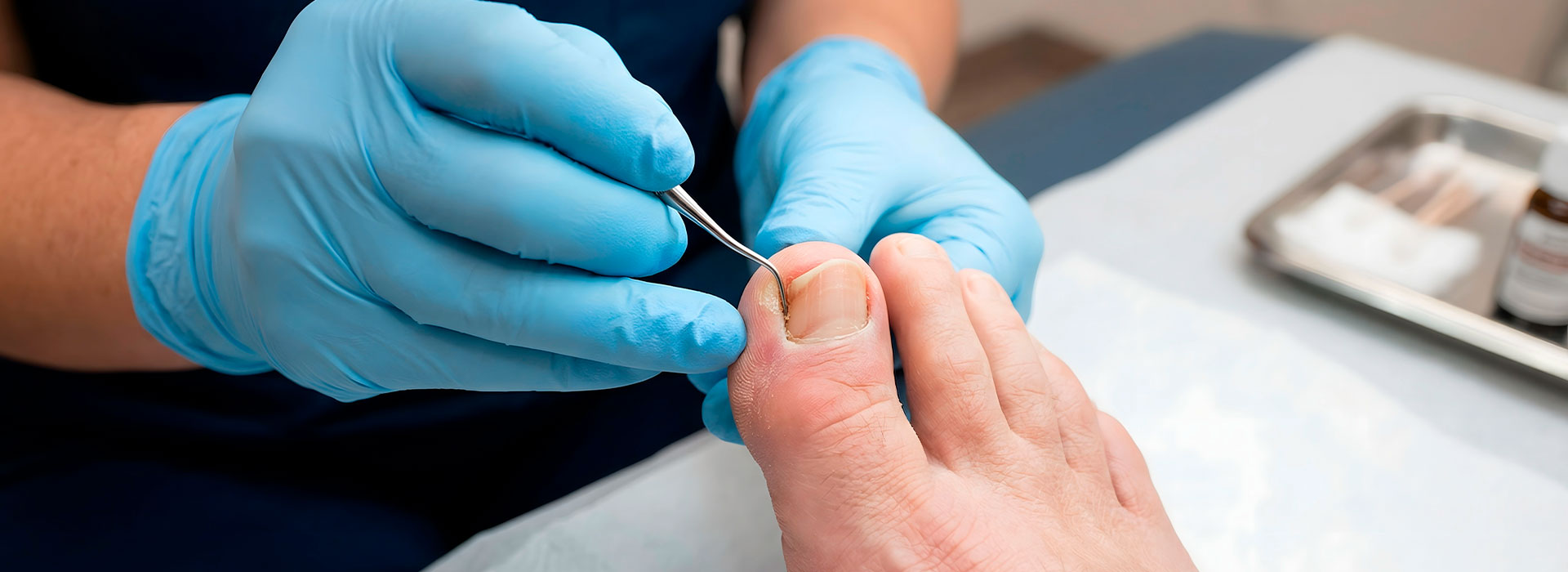
What are Deformed, Thick and Yellowed Nails?
A healthy nail is smooth, firm, and pinkish in colour. When a nail becomes thick, yellowed, opaque, brittle, or deformed, it is generally a sign of an underlying condition requiring professional evaluation and treatment. These abnormalities most often affect the toenails and can involve one or several nails simultaneously.
The most common cause is onychomycosis (fungal nail infection), but other conditions can also be responsible for these changes.
Causes and Risk Factors
- Onychomycosis (infection by dermatophyte fungi, yeasts, or moulds)
- Nail psoriasis causing thickening and discolouration
- Repeated nail trauma (impact, friction inside the shoe)
- Poor peripheral blood circulation
- Diabetes or weakened immune system
- Natural nail aging
- Chronic ingrown toenail that has altered the nail structure
- Prolonged exposure to moist environments or chemical products
Symptoms
- Thickened nail, difficult to cut with ordinary scissors
- Yellow, brown, white, or greenish nail discolouration
- Rough, ridged, or brittle nail surface
- Nail separated from its bed (onycholysis)
- Whitish or yellowish debris under the nail
- Persistent unpleasant odour
- Pain when wearing closed shoes
- Progressive deformation of the nail shape
Podiatric Treatment
Your podiatrist at Clinique Claire Fontaine performs a thorough clinical examination and adapts treatment according to the identified cause:
- Reduction of the thickened nail using a podiatric burr to relieve pressure and provide immediate comfort
- Antifungal treatment — topical or oral depending on the severity of the onychomycosis
- Nail bed debridement to remove debris and promote healthy regrowth
- Mycological sampling if necessary to confirm the diagnosis and identify the causative fungus
- Care of the separated nail with appropriate protection and dressing
- Personalized hygiene and prevention advice to avoid spreading and recurrence
Prevention
To maintain the health of your nails, it is essential to keep them clean, dry, and properly trimmed, wear breathable and well-fitting shoes, avoid walking barefoot in wet public areas (pools, locker rooms, showers), refrain from sharing towels or footwear, and consult your podiatrist at the first signs of any change in a nail's appearance.
Need this treatment?
Our specialists are available to help you.
Find us
11988 Av. Salk, Montréal, QC H1G 4Z2